
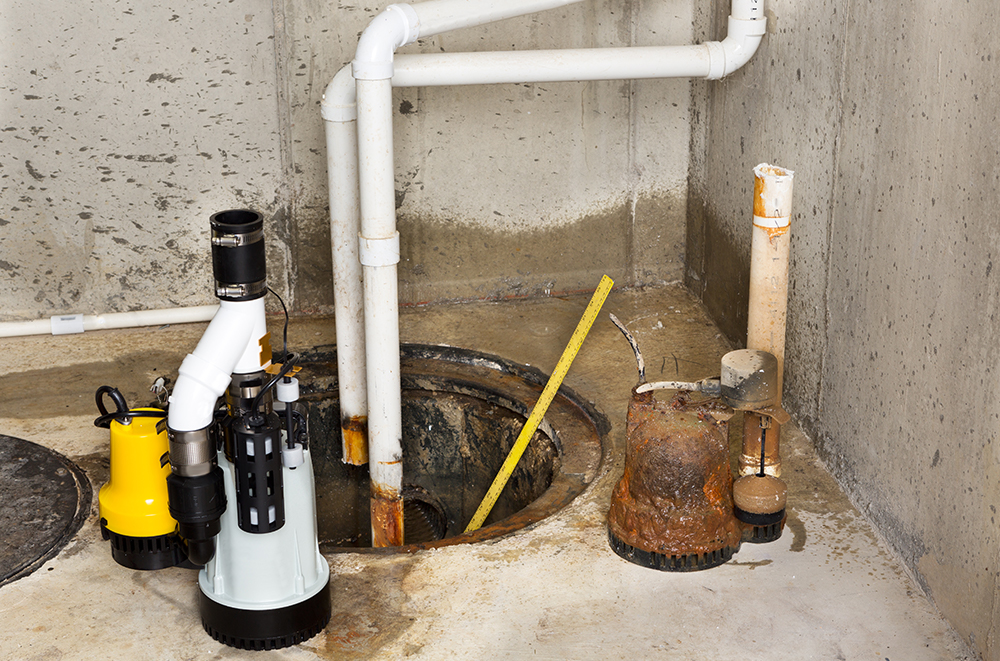
A sump pump is one of the most practical investments a homeowner in East Dundee can make, particularly heading into storm season. This device sits in a pit at the lowest point of a basement or crawl space and automatically pumps out water before it can cause damage. For homes throughout the Fox River corridor and the lower-lying neighborhoods near Dundee Township, where seasonal flooding is a recurring reality, a properly functioning sump pump is a critical line of defense against basement water intrusion, mold, and long-term structural issues.
What Is a Sump Pump and How Does It Work?
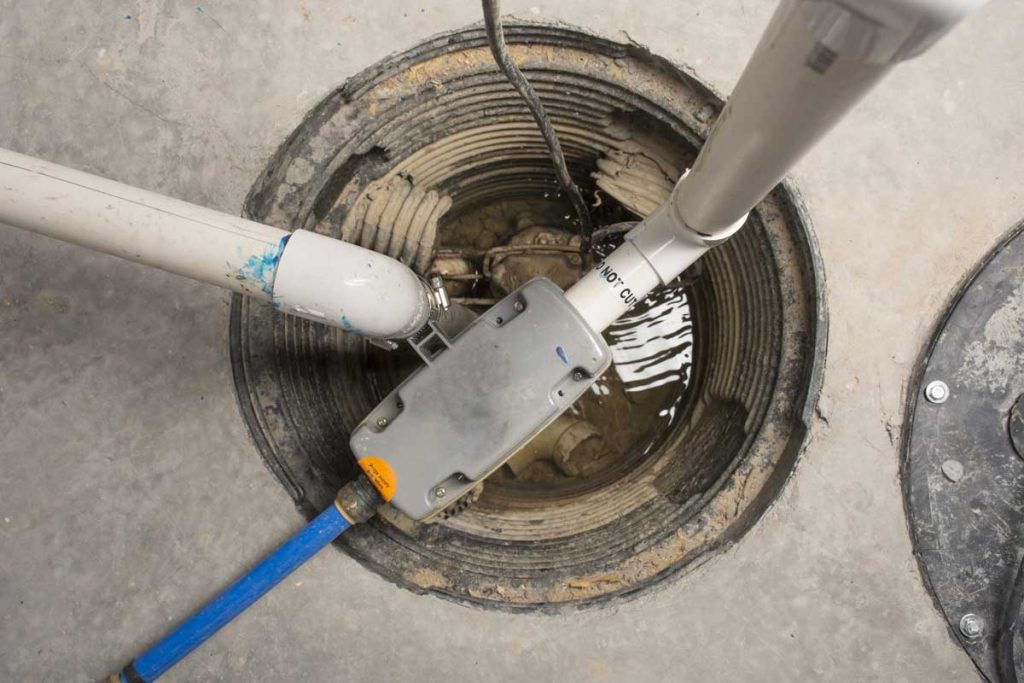
A sump pump is a motorized device installed in a sump pit, typically at the lowest point of the basement floor. When groundwater levels rise or rainwater infiltrates the foundation, it collects in that pit. Once the water reaches a set level, a float switch triggers the pump, which draws the water out and routes it through a discharge line away from the home’s foundation.
There are two primary configurations homeowners encounter:
- Submersible pumps: Installed below the waterline inside the pit, these units run quietly and handle higher water volumes efficiently, making them well-suited for homes with significant water management needs
- Pedestal pumps: Mounted above the pit with a hose extending down to the water, these are more accessible for service and inspection but are better suited to lower-demand applications.
Both types rely on a functioning float switch, a clear discharge path, and a reliable power source to operate when it matters most. During our service calls throughout East Dundee, we’ve seen how a well-maintained sump pump can make the difference between a dry basement and thousands of dollars in water damage after a single heavy storm.
Why Do Homeowners in East Dundee Need a Sump Pump?
East Dundee’s geography puts many properties at real risk during spring and summer storm seasons. Homes situated near the Fox River and along lower elevations throughout Kane County regularly contend with rising groundwater and surface water runoff after significant rainfall. Even properties that haven’t experienced visible flooding can accumulate moisture beneath the slab or behind foundation walls without obvious symptoms until the damage is already done.
A sump pump installation addresses that risk before it becomes a problem. The benefits extend beyond just keeping the floor dry:
- Property value protection: Basement water damage depresses home values and creates disclosure obligations that complicate future sales
- Mold and air quality prevention: Standing or recurring moisture creates conditions where mold takes hold quickly, affecting indoor air quality throughout the home
- Usable space: A consistently dry basement can serve as a functional living or storage space rather than an area homeowners avoid
- Insurance gap coverage: Many standard homeowners’ insurance policies exclude flood-related damage, meaning the cost of remediation falls entirely on the homeowner without a working pump in place
Based on what we see in East Dundee properties each spring, the homes that come through storm season without incident are almost always those with a properly sized and maintained sump pump already in place before the rain arrives.
Signs You May Need a Sump Pump Before Storm Season
Identifying the warning signs early allows homeowners to get a system installed or inspected before conditions deteriorate. Waiting until water is already present often means the damage has already begun.
Watch for these indicators that a sump pump may be overdue:
- Water pooling after rain: Any standing water in a basement or crawl space following precipitation is a direct signal that water is entering faster than it can drain or evaporate
- Persistent dampness or musty odors: These are early indicators of moisture accumulation, even when no standing water is visible
- Foundation cracks: Horizontal or vertical cracks in basement walls allow groundwater to seep in, and they tend to worsen with each freeze-thaw cycle
- Low-lying lot position: Homes situated in depressions or at the base of a grade collect runoff from surrounding properties, amplifying water volume during storms
- History of flooding: If a previous owner disclosed water issues or if neighbors in the same area have experienced flooding, that pattern is likely to continue
Working in homes across East Dundee and the surrounding communities along Route 25, we regularly find that visible warning signs have been present for some time before a homeowner calls. Earlier intervention almost always results in a simpler and less costly solution.
Choosing the Right Sump Pump for Your Home
Selecting the correct pump requires matching the equipment to the specific demands of the property. An undersized unit will struggle to keep pace during heavy storm events, while an oversized pump may cycle too frequently and wear out prematurely.
The key factors that guide proper selection include:
- Horsepower rating: Most residential applications are well served by a unit in the 1/3 to 1/2 HP range, though homes with higher water tables or larger pit volumes may require more output
- Flow rate: Measured in gallons per minute, the pump’s flow rate should be adequate to handle the peak volume of water the pit is expected to receive during a significant storm
- Pump type: Submersible units are generally preferred for primary residential use due to their quiet operation and efficiency; pedestal units work well in situations where pit dimensions are limited
- Backup power: A battery backup system ensures the pump continues operating during power outages, which are common during the same storms that create the greatest flooding risk
- Float switch and pit cover: A reliable float switch activates the pump at the correct water level, and a fitted pit cover reduces debris accumulation and improves system hygiene
Our technicians assess each home’s specific conditions before recommending a system, taking into account soil drainage, basement depth, and local weather patterns throughout the East Dundee area.
Maintenance Practices That Keep Sump Pumps Ready for Storm Season
An unserviced sump pump is unreliable. Mechanical components wear over time, debris accumulates in the pit, and discharge lines can develop blockages that prevent the pump from doing its job at the worst possible moment.
Professional maintenance addresses all of these issues before storm season begins. A thorough inspection includes:
- Power supply verification: Confirming the unit is properly connected and that the outlet is functioning, including GFCI protection where required
- Float switch testing: The float mechanism should move freely and trigger the pump at the correct water level without sticking
- Discharge line inspection: Blockages or improper drainage in the discharge line can cause water to back up into the pit, reducing the pump’s effectiveness
- Pit cleaning: Sediment, debris, and mineral buildup in the pit can interfere with the float and reduce pump efficiency over time
- Operational test: Pouring water directly into the pit confirms the pump activates promptly and clears the pit within an expected timeframe
For homeowners who also want to evaluate overall basement moisture and air quality, air duct cleaning is a useful complement, particularly in homes where basement air circulates into the living space through the HVAC system.
Scheduling a pre-season inspection with a qualified technician takes the guesswork out of storm readiness and ensures the system will perform when conditions demand it.
Keeping East Dundee Homes Protected When Storms Roll In
Storm season along the Fox River Valley is not something East Dundee homeowners can afford to take lightly. The combination of low-lying terrain, clay-heavy soils common throughout Kane County, and the intensity of Midwest spring weather systems means that basement water intrusion is a genuine and recurring risk for many properties in the area.
A properly installed and maintained sump pump is the most reliable tool available to address that risk before it turns into structural damage, mold remediation, or a ruined basement. WeatherWise Heating & Cooling serves homeowners throughout East Dundee and the surrounding communities, and our team brings the field experience and technical knowledge needed to recommend, install, and maintain the right system for each home.
If storm season is approaching and you haven’t had your sump pump inspected, or if you’re considering an installation for the first time, contact our team today to schedule a consultation and get ahead of whatever the season brings.