

Crystal Lake sits in a region of northeastern Illinois where spring snowmelt, heavy summer storms, and the area’s relatively high water table can put significant pressure on a home’s drainage system. For homeowners near lower-lying streets around Crystal Lake itself, or in neighborhoods with finished basements close to Veteran Acres Park, a sump pump that is not performing reliably is not a minor inconvenience. It is a direct risk of water damage, mold growth, and costly structural repairs.
Most sump pumps give clear warning signs before they fail. Knowing what to look for, and when to call a professional, is the difference between a simple sump pump repair and a flooded basement. Here are seven red flags that should prompt immediate attention.
1. Unusual Noises From the Sump Pump
A properly functioning sump pump operates with a consistent, relatively quiet hum. If yours has started producing grinding, rattling, or buzzing sounds, those noises are telling you something is wrong. Grinding typically points to a problem with the impeller, either damage or debris caught in the mechanism. Rattling can indicate loose components inside the housing. Buzzing often signals an electrical or motor issue.
Why Timing Matters
The concern with unusual noises is not just the noise itself but what it means for reliability. A pump that is making mechanical sounds is under stress, and a pump under stress is more likely to fail during the exact conditions when it is needed most, such as during a heavy rainfall when the sump basin is filling rapidly. In Crystal Lake, where multi-inch rain events are not uncommon through spring and early summer, a compromised pump is a serious liability.
A technician can diagnose the source of the noise and determine whether the issue requires a repair or a full replacement before a storm puts the system to the test.
2. Frequent Cycling On and Off
A sump pump that turns on and off repeatedly in short intervals, without sustained water flow through the discharge line to explain the cycling, is operating abnormally. This pattern places significant wear on the motor and dramatically shortens the pump’s service life.
Common Causes of Short Cycling
- Float switch malfunction: The float switch triggers the pump based on water level. If it is stuck, misaligned, or failing, it may send incorrect signals that cause the pump to cycle without real demand.
- Undersized pump: A pump that lacks the capacity for the volume of water entering the basin will struggle to keep up and cycle erratically under load.
- Electrical issues: Wiring problems or a faulty connection can cause intermittent power supply, producing unpredictable on-off behavior.
- Discharge line obstruction: A clog or partial blockage in the discharge line prevents water from moving efficiently, causing the pump to work harder and cycle more frequently.
Each of these causes requires a different resolution, and identifying the correct one requires a professional inspection rather than trial and error.
3. Water Accumulation in the Basement
Standing water in a basement is the outcome a sump pump exists to prevent. If water is appearing in your basement, the pump is either failing outright or is no longer sufficient for the drainage demand your home places on it. This section covers three related symptoms that often appear together.
Visible Water Puddles
Puddles on the basement floor are a direct sign that water is entering faster than the pump is removing it, or that the pump is not activating at all. Beyond the immediate water damage risk, standing water creates conditions for mold growth, which can begin developing within 24 to 48 hours of exposure. In finished basements, the damage to drywall, flooring, and stored belongings can accumulate quickly.
Musty Odors
A persistent musty smell in the basement, even without visible standing water, often indicates that moisture is present and the pump is not keeping the basin adequately drained. Elevated moisture levels support mold and mildew growth behind walls and under flooring where it is not immediately visible. This odor is a reliable early warning that the system is not performing as it should.
Increased Humidity Levels
Humidity in the basement that feels noticeably higher than the rest of the home, or that is registering above 60 percent on a hygrometer, suggests ongoing moisture intrusion the sump pump is not addressing. Sustained high humidity weakens structural wood components over time, damages stored items, and creates health concerns for anyone in the household with respiratory sensitivities. If the basement feels damp consistently, not just after a storm, the pump’s performance needs to be evaluated.
4. Visible Rust or Corrosion
Surface rust or corrosion on the pump body, discharge pipe connections, or the basin hardware is a visible indicator of long-term moisture exposure and potential component degradation. Rust is not just cosmetic. It affects the structural integrity of the pump housing and can interfere with moving parts. Corrosion at electrical connections creates reliability concerns and potential safety issues.
Acting Before Failure
A pump showing significant rust has likely been under stress for some time. Waiting until the pump stops working entirely is a gamble, particularly heading into a wet season. A professional assessment can determine whether targeted repairs or a full replacement is the more cost-effective path forward. On our service calls throughout Crystal Lake, corroded pumps that are evaluated proactively almost always reveal additional wear that would have caused a failure within one or two seasons.
5. High Energy Bills
An unexpected increase in utility consumption without a corresponding change in household usage can point to a sump pump that is running longer or more frequently than it should. A pump that is cycling excessively, running continuously, or working against a partial obstruction draws more power over time, and that increased draw shows up on the energy bill.
Reading the Signal
High energy bills in combination with any of the other symptoms on this list, such as frequent cycling or unusual noises, strengthens the case for a professional inspection. On their own, elevated bills are a softer signal, but combined with operational irregularities, they confirm that the system is under strain and needs attention.
6. Lack of Maintenance History
A sump pump with no documented service history is an unknown quantity. Without knowing when the pump was last inspected, cleaned, or tested, there is no reliable basis for assessing its current condition or predicting how it will perform when needed.
What a Professional Inspection Covers
A thorough inspection evaluates the float switch, impeller, discharge line, check valve, and power supply, tests the pump’s activation under simulated demand, and identifies any wear or debris that could affect performance. For homeowners who have recently purchased a Crystal Lake property and are not certain of the sump pump’s service history, scheduling an inspection before the spring rain season is a straightforward way to establish a baseline and address any issues before they become emergencies.
7. Pump Age Exceeds Recommended Lifespan
Most sump pumps are designed for a service life of 5 to 10 years. A pump that has been in service beyond that range is not necessarily failing, but it is operating outside its intended performance window and is statistically more likely to fail without warning.
Signs an Aging Pump Is Declining
- More frequent cycling: A worn pump runs more often to achieve the same result, indicating reduced efficiency.
- Unusual sounds: Mechanical noise in an older pump often signals internal wear that is no longer worth repairing.
- Rust or corrosion: Age accelerates corrosion, particularly in pumps that have handled significant water volume over the years.
- Rising energy consumption: An aging motor draws more power as its components wear, contributing to higher utility costs.
If your pump is approaching or past the 10-year mark and showing any combination of these signs, a replacement is worth planning for proactively rather than waiting for a failure during a heavy storm. Our team at WeatherWise Heating & Cooling can assess the current unit and walk you through replacement options that match your home’s drainage demands.
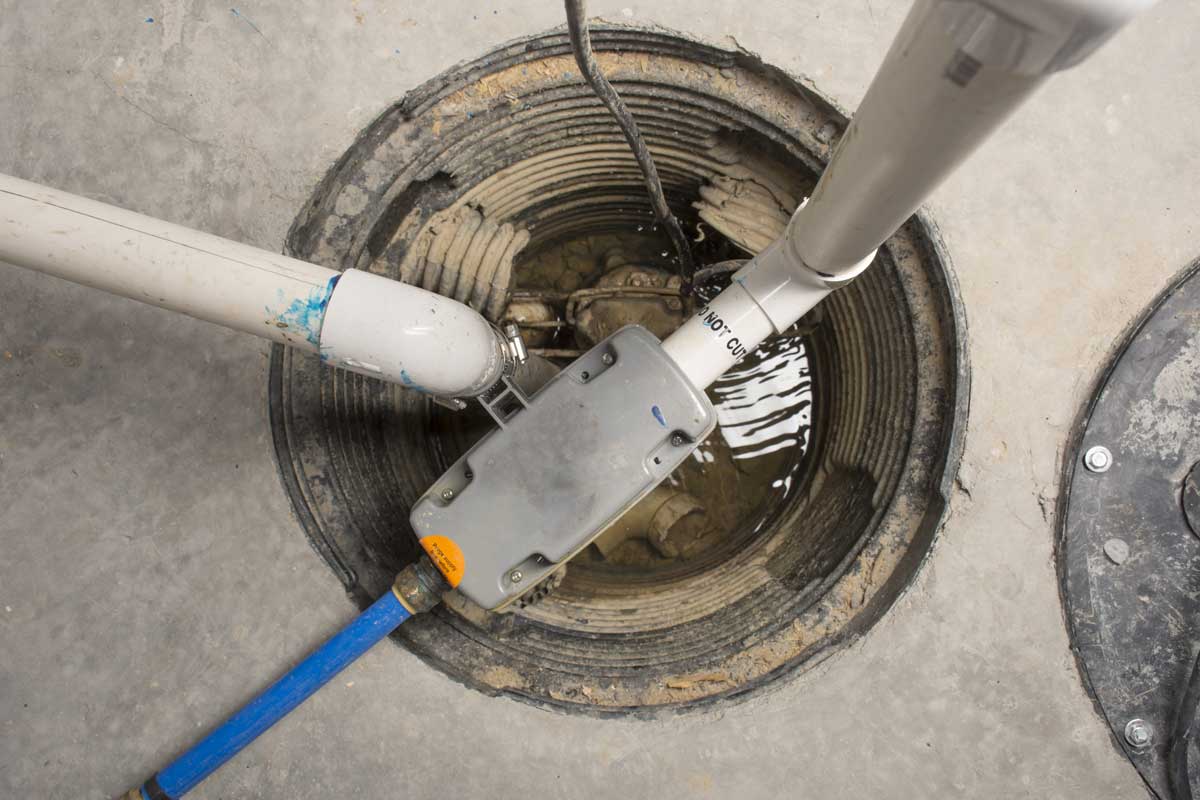
Protecting Your Crystal Lake Home From Water Damage
A reliable sump pump is one of the most important lines of defense a basement homeowner in Crystal Lake has against water intrusion. The warning signs covered in this article, from unusual noises and frequent cycling to rust, high energy bills, and advancing age, are all indicators that the system deserves professional attention before conditions test it.
WeatherWise Heating & Cooling’s licensed technicians serve Crystal Lake and the surrounding McHenry County communities with honest, thorough assessments and dependable repair and installation work. If your sump pump is showing any of these red flags, do not wait for a flooded basement to confirm the problem.
Contact our team today to schedule an inspection and make sure your home’s water management system is ready for whatever the season brings.