

If you’re living in Geneva, IL, managing indoor moisture is essential for preventing mold issues. You might not realize how simple actions can greatly improve your indoor air quality. From maintaining your HVAC system to using dehumidifiers in the right places, there are effective strategies to investigate. Understanding these tips can make a noticeable difference in your home’s environment, but there’s more to reflect on for a thorough approach.
Understand the Causes of Indoor Moisture
Indoor moisture can be a sneaky culprit behind mold growth and poor air quality in your home. Understanding its causes is essential for keeping your living space healthy.
First, consider everyday activities like cooking, showering, and washing clothes. These generate humidity, especially in poorly ventilated areas.
Next, check for leaks in pipes, roofs, or windows; even small leaks can greatly increase moisture levels. If your home’s insulation is inadequate, it can lead to condensation, creating a perfect breeding ground for mold.
Moreover, fluctuations in temperature can cause moisture to accumulate, particularly in basements or attics.
Finally, outdoor humidity can seep into your home through open windows or doors, especially during the summer months. Regular maintenance and air duct cleaning can significantly enhance your home’s indoor air quality and help control moisture levels.
Regularly Inspect and Maintain Your HVAC System
To keep your indoor air quality in check, regularly inspect and maintain your HVAC system. Scheduling routine maintenance and replacing air filters can greatly reduce moisture buildup and prevent mold growth. Staying proactive with these tasks guarantees your system runs efficiently and your home remains comfortable. Additionally, regular AC maintenance can enhance system performance and prolong its lifespan, ensuring a healthier indoor environment.
Schedule Routine Maintenance
Regularly scheduling maintenance for your HVAC system can prevent issues that lead to excess moisture and mold growth in your home.
By staying proactive, you can guarantee peak performance and a healthier indoor environment.
Here are four key maintenance tasks to keep in mind:
- Clean ducts and vents: Remove dust and debris that can trap moisture.
- Check insulation: Confirm proper insulation to prevent condensation.
- Inspect condensate drains: Clear any blockages to promote proper drainage.
- Test system performance: Regularly assess heating and cooling efficiency to avoid overworking your system.
Replace Air Filters Regularly
Consistently replacing your air filters is crucial for maintaining ideal air quality and system efficiency.
Dirty filters can restrict airflow, causing your HVAC system to work harder, which may lead to increased energy bills and reduced lifespan of your equipment.
Aim to check your filters every month and replace them at least every three months, or more often if you have pets or allergies.
Clean filters trap dust, pollen, and other airborne particles, improving the air you breathe and reducing moisture accumulation that can lead to mold growth.
Regular filter changes contribute to a healthier home environment and guarantee your system runs smoothly.
Trust WeatherWise Heating & Cooling to help you with all your HVAC maintenance needs for peak performance.
Use Dehumidifiers in High-Humidity Areas
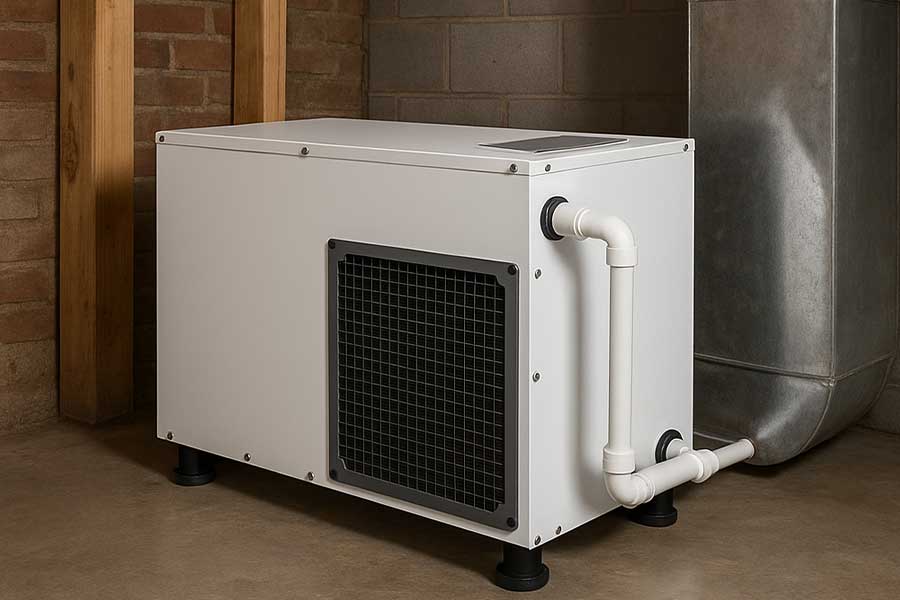
If you live in a high-humidity area, placing dehumidifiers in key locations can make a big difference in managing moisture levels. Make sure to check and maintain your dehumidifiers regularly to keep them running efficiently. Additionally, consider seeking professional dehumidifier installation services to ensure optimal performance and efficiency in reducing indoor humidity.
Ideal Dehumidifier Placement
To effectively combat excess moisture and mold growth, placing dehumidifiers in high-humidity areas of your home is vital.
Here are the best spots to position your dehumidifiers for maximum effectiveness:
- Basements: These areas often trap moisture, making them ideal for dehumidifiers.
- Bathrooms: With steam from showers, keeping these spaces dry is important.
- Laundry Rooms: The drying process creates humidity; a dehumidifier can help manage it.
- Kitchens: Cooking generates moisture, so dehumidifiers can prevent excess buildup.
Regular Maintenance Tips
Regularly using dehumidifiers in high-humidity areas can greatly improve your home’s indoor air quality and prevent mold growth.
Make it a habit to check your dehumidifier’s settings and empty the water reservoir as needed. Consider setting it to maintain humidity levels between 30% and 50%.
If you notice moisture accumulating in areas like basements or bathrooms, increase the dehumidifier’s usage. Regularly clean the unit’s filters to guarantee it operates efficiently.
Moreover, inspect for any leaks or water damage around windows and pipes, as these can contribute to excess moisture.
Ensure Proper Ventilation in Your Home
Guaranteeing proper ventilation in your home is crucial for maintaining a healthy indoor environment, especially when it comes to reducing moisture and preventing mold growth.
Good airflow helps to circulate fresh air and expel stale, humid air. Here are four tips to improve ventilation in your home:
- Use Exhaust Fans: Install and regularly use exhaust fans in kitchens and bathrooms to remove excess humidity.
- Open Windows: Whenever weather permits, open windows to allow fresh air to circulate throughout your home.
- Install Air Vents: Confirm that air vents are unobstructed to promote effective air circulation in every room.
- Consider an Air Purifier: Invest in an air purifier with a HEPA filter to help remove moisture and improve overall air quality. Additionally, integrating UV light technology into your HVAC system can enhance air purification by targeting and eliminating harmful microorganisms.
Seal Windows and Doors to Prevent Water Infiltration
While proper ventilation helps maintain a healthy indoor environment, sealing your windows and doors is just as essential in preventing water infiltration. Water leaks can lead to high humidity levels, creating the perfect breeding ground for mold.
Inspect your windows and doors for gaps, cracks, or worn-out weather stripping. You can use caulk or weather stripping to seal these openings effectively.
When you eliminate these vulnerabilities, you’re reducing the chances of moisture entering your home. Check for drafts during windy days—if you feel one, it’s a sure sign that you need to seal that area.
Monitor Indoor Humidity Levels
To maintain a healthy indoor environment, it’s vital to monitor your home’s humidity levels. High humidity can lead to mold growth and other issues, so keeping it in check is imperative.
Here are some tips to help you manage humidity effectively:
- Use a Hygrometer: Invest in a hygrometer to measure the humidity levels in your home. Aim for a range of 30-50%.
- Ventilate Properly: Open windows or use exhaust fans in kitchens and bathrooms to reduce moisture buildup.
- Control Temperature: Maintain a consistent indoor temperature, as warm air holds more moisture.
- Utilize Dehumidifiers: In particularly humid areas, consider using a dehumidifier to help maintain ideal levels.
Address Water Leaks Promptly
Addressing water leaks promptly is vital for maintaining a healthy indoor environment, as even small leaks can lead to significant moisture problems and mold growth.
When you notice a leak, whether it’s from a pipe, roof, or appliance, don’t wait to take action. Investigate the source and fix it immediately to prevent water from accumulating.
Keep an eye on your plumbing fixtures and regularly check for signs of water damage, such as discoloration or dampness.
If you can’t handle the repairs yourself, don’t hesitate to call a professional like WeatherWise Heating & Cooling.
They’ll guarantee that your plumbing is working efficiently and safely.
By addressing leaks quickly, you’ll not only protect your home from mold but similarly save money on potential repairs down the line.
Conclusion
By following these tips, you can keep moisture at bay and protect your home from mold. Remember, “an ounce of prevention is worth a pound of cure.” Stay proactive by regularly inspecting your HVAC system, using dehumidifiers, and ensuring proper ventilation. Don’t let small leaks turn into big problems—address them quickly. With a little effort, you’ll create a healthier indoor environment for you and your family in Geneva, IL.