
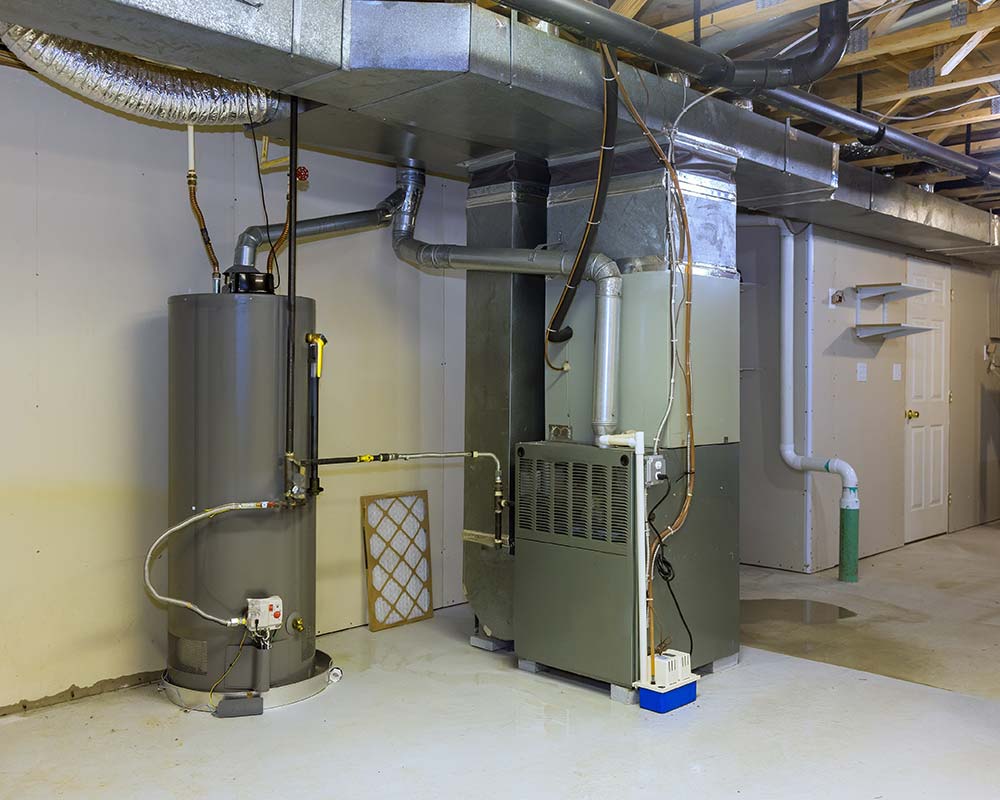
Traditional tank-style water heaters work by keeping a large volume of water hot around the clock, regardless of whether anyone in the home is actually using it. That standby heating cycle runs continuously, day and night, through every season. For Crystal Lake homeowners dealing with rising utility costs and looking for ways to improve home efficiency, that ongoing energy expenditure is worth examining closely.
Tankless water heaters take a fundamentally different approach. Rather than maintaining a reservoir of hot water, they heat water on demand as it flows through the unit. The result is a system that uses energy only when hot water is actually needed, which changes the economics of water heating considerably. If you are weighing your options for a tankless water heater installation, understanding the full range of benefits helps you make an informed decision.
Endless Hot Water
One of the most immediate advantages homeowners notice after switching to a tankless system is that the hot water supply no longer runs out. With a traditional tank heater, a long shower, a load of laundry, and a running dishwasher happening in close succession can exhaust the stored hot water and leave the last person to shower with cold water. Tankless systems eliminate that constraint entirely.
How On-Demand Heating Works
When a hot water tap is opened, cold water flows through the unit and passes across a heat exchanger powered by either a gas burner or an electric element. The water reaches the target temperature before it exits the unit, and that process continues for as long as the tap is open. There is no tank to deplete. For larger households in Crystal Lake, particularly those near the established neighborhoods around Main Beach where multi-generational families are common, this is a meaningful quality-of-life improvement.
Flow rate, measured in gallons per minute, varies by model. Selecting a unit with the right capacity for your household’s peak demand is part of what a professional installation assessment covers.
Energy Efficiency
Standby heat loss is the energy a tank-style water heater expends simply to keep stored water at temperature between uses. It is a continuous drain on utility consumption that happens regardless of how much hot water the household actually uses. Tankless systems eliminate standby heat loss entirely by only activating when hot water is demanded.
Efficiency Technology
Modern tankless units achieve thermal efficiency ratings that frequently exceed 80 to 90 percent, compared to the 60 to 70 percent typical of conventional tank heaters. Several technologies contribute to this performance level.
Modulating Gas Valves
These valves adjust the gas flow rate in real time to match the precise heating demand at any given moment, rather than running at a fixed output. The result is fuel usage that closely tracks actual need rather than a fixed burn rate.
Condensing Technology
Higher-end condensing tankless units capture heat from exhaust gases that would otherwise be vented out of the home and recycle it back into the heating process. This additional heat recovery pushes efficiency ratings even higher and reduces the energy cost per gallon of hot water produced.
Flow Sensors
Advanced flow sensors detect when water is moving through the system and modulate the heating elements accordingly. This ensures the unit responds accurately to demand without overheating or wasting energy during periods of low flow.
Space Saving
A standard 40 to 50 gallon tank water heater takes up a substantial footprint in a utility room, basement, or mechanical closet. In Crystal Lake homes where finished basements and tight utility spaces are common, that floor space often has better uses.
Flexible Installation Options
Tankless units are compact and wall-mounted, which frees up the floor space previously occupied by the tank. They can be installed in utility closets, mechanical rooms, and in some configurations even outdoors with appropriate weatherproofing. This flexibility is particularly useful during home renovations or when reconfiguring a utility space for additional storage or living area.
Longer Lifespan
Tank-style water heaters typically last 8 to 12 years before corrosion, sediment buildup, or component wear leads to replacement. Tankless systems, when properly maintained, routinely last 20 years or more. That extended service life changes the long-term cost calculation significantly, even when the upfront installation cost is higher.
Why Tankless Systems Last Longer
The absence of a storage tank eliminates the primary failure modes that shorten the life of traditional water heaters. There is no standing water to corrode the tank walls, no sediment accumulating at the bottom of a vessel, and no anode rod to replace on a regular schedule. Heat exchangers in quality tankless units are built from stainless steel or copper alloys that resist corrosion and thermal stress over many years of operation.
Many modern tankless units also include onboard diagnostic systems that monitor performance in real time and flag potential issues before they develop into failures. This proactive monitoring supports longer service intervals and reduces the likelihood of unexpected breakdowns.
Lower Utility Bills
The efficiency advantage of a tankless system translates directly into lower monthly energy costs. Because the unit only consumes gas or electricity when hot water is being used, households with moderate to high hot water demand typically see a noticeable reduction in their water heating bills after switching.
Long-Term Savings in Context
ComEd and Nicor Gas rates in the Crystal Lake area have followed the broader trend of gradual increases over time. In that environment, the operating efficiency of a water heater matters more than it did in previous decades. A tankless system’s ability to heat water at 80 to 90 percent thermal efficiency, compared to a conventional tank running at 60 to 70 percent, represents a meaningful difference in ongoing costs over a 20-year service life.
For households with high hot water demand, such as families with multiple bathrooms in active use, the savings potential is even more pronounced. Financing options are available for homeowners where the upfront installation cost is a consideration.
Environmentally Friendly
Reduced energy consumption has a corresponding environmental benefit. Heating water accounts for a significant share of a typical household’s energy use, and improving the efficiency of that process reduces the home’s overall carbon footprint.
Environmental Advantages
- Reduced greenhouse gas emissions: Operating only on demand means fewer combustion cycles for gas-powered units and less electricity draw for electric models, which lowers total emissions over the life of the system.
- Longer lifespan reduces waste: A tankless unit that lasts 20 or more years requires fewer replacements over a homeowner’s tenure in the home, reducing the material and manufacturing impact associated with more frequent equipment turnover.
- Precise temperature control: Flow sensors and modulating controls minimize water waste by delivering the target temperature accurately without the initial flush of cold or lukewarm water that often occurs with tank systems waiting to recover.
Consistent Temperature
Temperature consistency is another area where tankless systems outperform tank heaters. A traditional tank heater can produce water at varying temperatures depending on how much hot water remains in the tank and how recently it completed a heating cycle. As the stored hot water is drawn down, the temperature at the tap can drop noticeably.
Stable Output Regardless of Demand
Tankless units modulate their burner or heating element output in real time based on the incoming water temperature and the flow rate moving through the system. This means the water exiting the unit stays within a narrow range of the target temperature regardless of how long the tap has been running or how many fixtures are in use simultaneously. Working in homes across Crystal Lake, our technicians hear consistently that temperature stability is one of the features returning customers appreciate most after making the switch.
Increased Home Value
Energy-efficient home upgrades have become an increasingly meaningful factor in real estate transactions, and a tankless water heater is one of the upgrades that resonates with buyers evaluating long-term operating costs. In the Crystal Lake market, where home values have remained strong and buyers are often comparing similar properties closely, infrastructure improvements that signal long-term reliability and lower utility costs carry real weight.
What Buyers Respond To
A tankless system communicates several things to a prospective buyer: the home has been maintained thoughtfully, the water heating infrastructure is modern and long-lived, and the new owner is unlikely to face a water heater replacement in the near term. Combined with the energy efficiency and space-saving benefits, a tankless installation is one of the more straightforward ways to differentiate a home and support its appraised value.
Making the Switch in Crystal Lake
For homeowners in Crystal Lake who are weighing a tankless upgrade, the benefits are consistent across the areas that matter most: operating efficiency, hot water availability, system longevity, and long-term cost. The transition from a tank-style system involves proper sizing, gas line evaluation in some cases, and appropriate venting for gas-powered units, all of which are part of a professional installation assessment.
WeatherWise Heating & Cooling’s licensed technicians handle water heater installation and replacement throughout Crystal Lake and the surrounding McHenry County communities. Whether you are replacing a failing tank heater or planning a proactive upgrade, we can evaluate your home’s configuration, recommend the right unit for your household’s demand, and complete the installation to manufacturer specifications.
Schedule your service today and find out whether a tankless water heater is the right fit for your home.
You’ll need to perform annual descaling to prevent mineral buildup and ensure peak efficiency. Also, check the air filter, inspect the burner, and flush the system. Regular maintenance enhances longevity and reliability, effectively serving your household’s needs.
You’d think a tankless water heater fits any home, but it’s not that simple. Factors like existing plumbing, electrical capacity, and venting requirements must be considered. Consult a professional to guarantee compatibility and efficient installation.
A tankless water heater, including installation, will cost you between $1,000 and $3,000 upfront. These costs cover the unit price, materials, labor, and potential electrical or gas line upgrades.
You might hear a gentle hum, but it’s minimal compared to traditional heaters. Modern tankless models feature advanced sound-dampening technology, ensuring the system operates quietly, allowing you to serve your household’s needs without disruption.
A tankless water heater modulates its power to meet simultaneous demands, ensuring consistent temperature. It uses advanced flow sensors and heat exchangers to distribute hot water efficiently, avoiding temperature fluctuations even when multiple fixtures are used.