
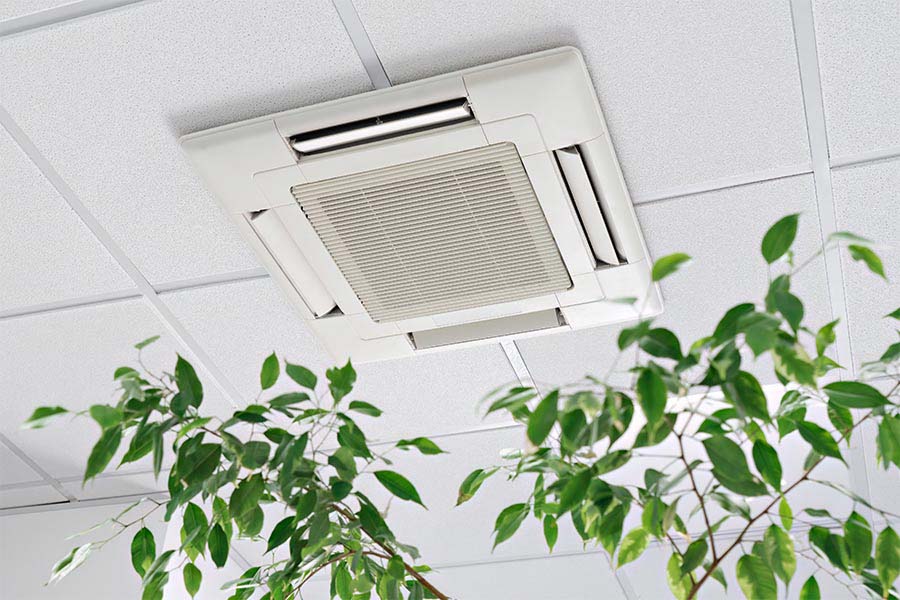
The air inside a home often tells a story about the condition of the HVAC system circulating it. Persistent dust on surfaces shortly after cleaning, musty or stale odors that linger no matter what, allergy symptoms that worsen indoors rather than outdoors, and visible condensation on windows or walls are all indicators that the system managing the home’s air supply isn’t performing as it should. For homeowners in St. Charles, where cold winters keep homes sealed for months, and summer humidity pushes moisture levels up throughout the Fox River Valley, understanding the connection between HVAC performance and indoor air quality is an important part of maintaining a healthy home.
What Are the Signs of Poor Indoor Air Quality?
Poor indoor air quality rarely dramatically announces itself. More often, it presents through patterns that are easy to attribute to other causes until the underlying HVAC issue is identified.
In our service calls throughout St. Charles and the surrounding communities along the Fox River corridor, the symptoms we hear about most consistently include:
- Persistent or unexplained odors: Musty smells, particularly in basements or near supply vents, frequently point to mold growth within the duct system or on the evaporator coil
- Excess dust accumulation: When surfaces in a home accumulate visible dust within days of cleaning, the air distribution system is likely circulating particulate matter rather than filtering it
- Increased allergy or respiratory symptoms indoors: If household members experience more sneezing, congestion, or irritation at home than they do outside, elevated concentrations of allergens in the indoor air supply are a probable cause
- Condensation on windows or walls: Excess indoor humidity creates conditions that favor mold growth. When the HVAC system isn’t managing humidity effectively, moisture accumulates on cooler surfaces, promoting biological growth.
- Stale or stuffy air: Rooms that feel heavy or poorly ventilated despite the system running suggest restricted airflow or inadequate fresh air exchange within the distribution system
Each of these symptoms is a signal worth investigating rather than tolerating. They don’t resolve on their own, and in most cases, they worsen as the underlying HVAC issue continues unaddressed.
How Your HVAC System Impacts Indoor Air Quality
The HVAC system is the primary mechanism through which air moves through a home. It draws air in, conditions it, filters it, and redistributes it through the duct system to every room. When that process functions correctly, it supports healthy, consistent air quality throughout the home. When any part of the process is compromised, the effects are felt in every room the system serves.
The relationship between HVAC performance and air quality operates in several directions:
- Filtration: The system’s air filter removes airborne particles from the return air stream before they recirculate through the home. A filter that’s clogged, bypassed, or improperly rated allows particulate matter, allergens, and biological contaminants to pass through unrestricted.
- Humidity control: The cooling cycle removes moisture from the air as a byproduct of heat exchange. A system that’s undersized, poorly maintained, or running with a dirty coil doesn’t remove moisture effectively, leaving indoor humidity elevated and creating conditions where mold and dust mites thrive.
- Airflow distribution: Balanced airflow ensures that every room in the home receives properly conditioned, filtered air. Restrictions or imbalances in the duct system cause some areas to receive inadequate airflow while others are over-pressurized, disrupting the consistent air quality the system is designed to maintain
- Ventilation: Modern HVAC systems in well-sealed homes introduce controlled amounts of fresh outdoor air to dilute indoor pollutants. Systems that aren’t functioning correctly in this respect allow indoor contaminant concentrations to build over time.
For St. Charles homes, particularly those in the established neighborhoods near downtown or along the Fox River, where homes are older, and duct systems may not have been updated in decades, air duct cleaning is often the first step toward meaningfully improving indoor air quality.
Common HVAC Issues That Lead to Poor Air Quality
Most indoor air quality problems that originate with the HVAC system trace back to one of a handful of recurring issues. Based on what we see in St. Charles properties, these are the conditions we encounter most often:
- Clogged or inadequate air filters: A filter that hasn’t been replaced on schedule becomes a restriction rather than a protective barrier. It reduces airflow, forces the system to work harder, and allows finer particles that accumulate on the filter’s surface to break through into the air stream.
- Dirty evaporator coil: The coil surface operates in a moist, dark environment, which is favorable for mold and bacterial growth. Contamination on the coil introduces biological particles directly into the conditioned air supply every time the system runs.
- Duct leaks or blockages: Leaks in the return duct system can draw unconditioned air from attics, crawlspaces, or wall cavities into the air supply, introducing dust, insulation fibers, and other contaminants. Blockages reduce airflow to specific zones, creating stagnant areas where air quality degrades.
- Excess humidity from a malfunctioning system: When the cooling system isn’t removing moisture effectively, elevated indoor humidity promotes mold growth on surfaces and within the duct system, and increases dust mite populations in carpets and upholstery
- Deferred maintenance: Mechanical issues that go unaddressed compound over time. A system that hasn’t been inspected in several years is likely to be carrying a combination of the above problems.
Scheduling AC coil cleaning as part of a routine maintenance cycle directly addresses one of the most common sources of biological contamination in residential HVAC systems and has a measurable impact on the air the system distributes.
How HVAC Professionals Improve Indoor Air Quality
Addressing indoor air quality issues through the HVAC system requires a systematic approach that identifies the source of the problem rather than treating symptoms in isolation. The improvements that produce lasting results are the ones that correct the underlying condition.
Professional interventions that consistently deliver meaningful air quality improvement include:
- Filter evaluation and upgrade: Selecting the correct filter type and replacement schedule for the specific system and household keeps the filtration function operating effectively without restricting airflow more than the system can handle
- Coil and drain pan cleaning: Removing biological growth from the evaporator coil and ensuring the condensate drain is clear eliminates a primary source of mold and bacteria in the air supply.
- Duct inspection and cleaning: A thorough inspection of the duct system identifies leaks, blockages, and contamination that contribute to poor air distribution and elevated indoor allergen levels
- UV light integration: UV light installation within the air handler provides continuous germicidal treatment of the air passing through the system, neutralizing bacteria, viruses, and mold spores before they enter the living space
- Humidity management: Evaluating the system’s dehumidification performance and recommending supplemental solutions where needed keeps indoor humidity within the range that discourages mold growth and maintains comfort
These aren’t one-time fixes. They’re most effective when incorporated into a regular maintenance cycle that keeps the system clean, properly adjusted, and performing at its rated capacity year-round.
When to Call WeatherWise Heating & Cooling
Certain conditions indicate that an HVAC system needs professional attention rather than a filter change and some additional vacuuming. Homeowners throughout St. Charles, from the neighborhoods near the Kane County Fairgrounds to the properties along Randall Road, should consider scheduling a professional evaluation when:
- Air quality symptoms persist after filter replacement and routine cleaning
- Visible mold or water staining appears near supply vents or on the air handler cabinet
- The system is producing unusual sounds that weren’t present previously
- Energy bills have increased without a corresponding change in usage patterns, often signaling that the system is working harder than it should to compensate for a developing problem.
- Annual maintenance hasn’t been scheduled in more than a year
Waiting to address these signals typically means the underlying problem has more time to worsen, and in the case of mold or biological contamination within the duct system, more time to affect the health of everyone in the home.
Protecting Indoor Air Quality in St. Charles
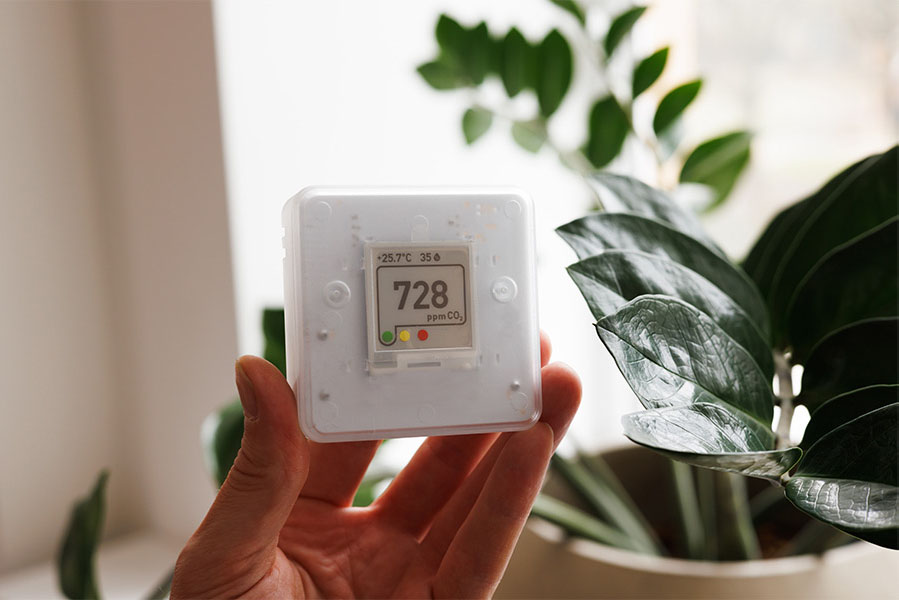
The connection between a well-maintained HVAC system and healthy indoor air quality is direct and consistent. For St. Charles homeowners, investing in regular professional maintenance, addressing known issues promptly, and considering supplemental air-quality improvements, such as UV light systems and duct cleaning, creates a home environment that supports rather than undermines the household’s health and comfort.
WeatherWise Heating & Cooling serves families throughout the St. Charles area and the greater Kane County region. Our NATE-certified technicians bring the hands-on experience needed to identify the specific HVAC conditions affecting each home’s air quality and recommend the right combination of services to address them.
When you’re ready to take a closer look at how your HVAC system affects the air your family breathes, contact our team today to schedule an inspection and find out what’s driving the air quality in your home.