
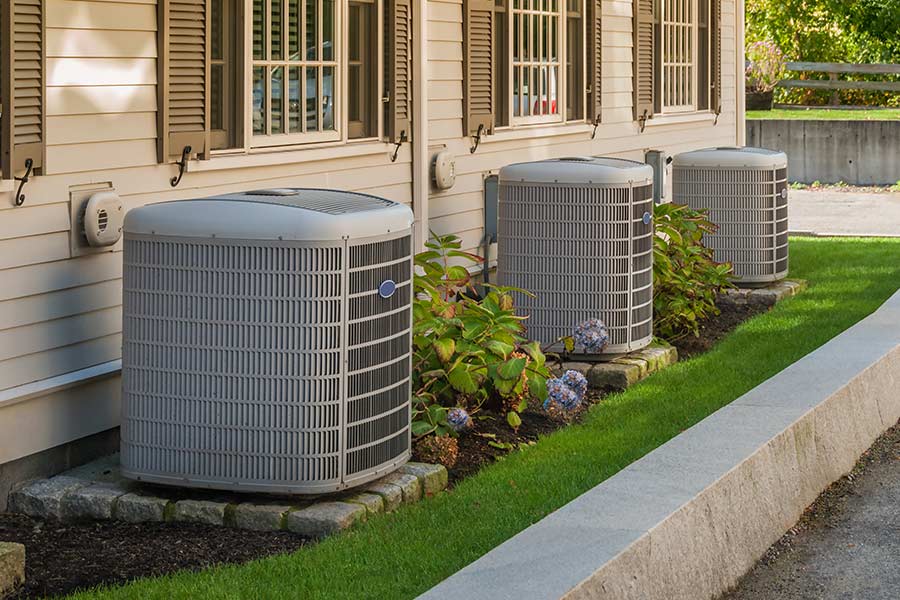
When choosing an HVAC company, check credentials, verify experience, and read reviews to ensure reliability. As a homeowner, finding a company with the right qualifications and a proven track record is vital. But how do you navigate the sea of options to find the perfect fit? Beyond credentials and experience, examining pricing, insurance coverage, and service guarantees plays a crucial role. Are you aware of the pitfalls of overlooking these aspects? Understanding these essential tips could save you from future headaches and unnecessary costs.
Check Credentials
When evaluating an HVAC company, verify their licensing and certifications to confirm compliance with industry standards and local regulations. Start by checking if they hold a valid HVAC contractor’s license, indicating they’ve met the minimum requirements set by your state or locality. This credential isn’t just a formalism; it ensures the technicians have the necessary technical proficiency and are up-to-date with current safety codes.
Ask for their North American Technician Excellence (NATE) certification. NATE is a leading certification program in the HVAC industry, and it demonstrates that the technicians have undergone rigorous testing and possess advanced knowledge of HVAC systems. Additionally, inquire about any affiliations with recognized industry bodies such as the Air Conditioning Contractors of America (ACCA) or the Refrigeration Service Engineers Society (RSES), which signal a commitment to continuing education and adherence to industry best practices.
Ensuring these credentials fosters trust and reassures you that the company operates with integrity and expertise. Knowing your HVAC company is credentialed in a community that values technical precision and reliability strengthens your sense of belonging and confidence in their services. Prioritize credentials to secure quality HVAC solutions.
Verify Experience
Evaluating an HVAC company’s experience involves examining its track record in handling diverse systems, the range of projects completed, and its problem-solving expertise in the field. You want a company with a solid background in various HVAC configurations, from traditional split systems to advanced ductless mini-splits. Delve into their history of residential, commercial, or industrial projects to ensure they possess the breadth of knowledge necessary for your unique needs. Experience in retrofitting older systems and integrating cutting-edge technology can be a crucial asset.
When assessing their problem-solving skills, consider how they approach complex challenges, such as optimizing energy efficiency or addressing system malfunctions. A seasoned company will demonstrate adeptness in troubleshooting and implementing effective solutions swiftly. Inquire about their proficiency with specific brands or models to gauge their capability in managing your specific system.
Additionally, ask about any certifications or ongoing training programs they participate in to stay abreast of industry advancements. An experienced company will invest in continuous education, ensuring their technicians know the latest HVAC innovations. By verifying experience, you’ll align yourself with a company that’s skilled and committed to delivering top-notch service, fostering a sense of trust and community.
Read Reviews
How can you better discern an HVAC company’s reliability than by scrutinizing detailed customer reviews that reveal insights into their service quality, response time, and professionalism? When navigating HVAC systems, you know the importance of uninterrupted climate control, and reviews act as your guide in pinpointing companies that excel in technical proficiency and customer care. Delve into reviews highlighting punctuality in response time, which indicates a company’s commitment to minimizing downtime. Check for mentions of NATE-certified technicians, which is a mark of their expertise in handling complex HVAC systems.
Look for consistent feedback on a company’s ability to troubleshoot and resolve issues efficiently. A pattern of positive reviews on problem resolution reflects a company’s adeptness in diagnostic acumen. Additionally, customer satisfaction with routine maintenance services should be taken into account. A company praised for thorough inspections and preventive solutions is one that prioritizes system longevity and performance.
Engage with reviews that describe the company’s transparency and communication. This fosters trust and community among homeowners who value clear, candid interaction. By leveraging reviews, you’re not just choosing a service provider but joining a network of informed, discerning homeowners committed to optimal home climate solutions.
Request References
Obtaining references from a prospective HVAC company allows you to verify their work quality and professionalism directly from previous clients. This step is crucial in ensuring that the contractor has a proven track record in the industry. When requesting references, ask the company for contact information of recent clients with similar HVAC services. This enables you to gauge their consistency and reliability in delivering efficient HVAC solutions.
When you contact these references, inquire about the HVAC company’s adherence to project timelines, communication effectiveness, and problem-solving capabilities. Ask if the installations or repairs met their expectations and whether any post-service issues were promptly addressed. You should also confirm the company’s compliance with industry standards and technical specifications, such as SEER ratings and HVAC load calculations.
Evaluate Pricing
Assessing pricing requires comparing detailed quotes from multiple HVAC companies, ensuring each includes a comprehensive breakdown of costs such as equipment, labor, permits, and any additional fees. By doing so, you can identify any discrepancies or hidden charges that might surface later. It’s crucial to analyze each quote meticulously, focusing on specific line items to understand better what you’re paying for. This approach helps you find a competitive price and ensures transparency and fairness in the pricing structure.
When evaluating pricing, consider the following factors:
- Quality of Equipment: Ensure that the quotes specify the brand and model of the HVAC units, as higher efficiency systems can lead to long-term savings.
- Scope of Work: Confirm the extent of labor included, such as removal of old equipment, installation specifics, and post-installation clean-up.
- Warranty and Guarantees: Look for details on warranty coverage and satisfaction guarantees, which can impact future costs.
- Payment Terms: Consider the payment schedule and any available financing options that might ease the financial burden.
Assess Services Offered
When evaluating HVAC companies, ensure they offer a comprehensive range of services, such as regular maintenance, emergency repairs, and system upgrades, to effectively cover all your climate control needs. A full-service HVAC company should provide routine inspections and maintenance to optimize system performance and extend equipment lifespan. Look for technicians skilled in conducting seasonal tune-ups, filter replacements, and system diagnostics to prevent costly breakdowns.
Emergency repair services are crucial in maintaining comfort during unexpected system failures. Verify the company’s response time and availability to address urgent issues, ensuring they have a fleet of service vehicles and a dedicated team ready to handle emergencies 24/7. Prompt and efficient service delivery ensures minimal downtime and swiftly restores your home’s comfort.
System upgrades and installations should also be within their expertise. Whether you’re considering energy-efficient HVAC solutions, smart thermostats, or complete system overhauls, the company should employ certified technicians adept in the latest industry advancements and technologies. This guarantees that your system enhancements are executed precisely, maximizing energy savings and performance.
Confirm Insurance
Ensure the HVAC company you’re considering has proper insurance coverage to protect against potential liabilities, including worker’s compensation and general liability insurance. This is critical in safeguarding both your interests and the company’s. Verifying insurance is an essential step that legitimizes the credibility of the business. It demonstrates that the company is committed to operating within industry standards and is prepared for unforeseen circumstances.
Here’s what you should look for:
- Worker’s Compensation Insurance covers medical costs and lost wages for employees injured on your property. You don’t want to be liable for such incidents.
- General Liability Insurance: This protects against property damage or personal injury claims that may occur during the HVAC installation or repair process.
- Insurance Certificate Verification: Request a certificate of insurance (COI) and ensure it’s current. This document confirms the company’s coverage and should be available upon request.
- Additional Insured Clause: This gives you coverage under the contractor’s policy, an added protection layer.
Inquire About Guarantees
After verifying insurance, ask the HVAC company about its guarantees on workmanship and equipment to ensure you’re protected against defects or poor performance. A reputable HVAC contractor will offer clear terms on its labor warranty, often one to two years, safeguarding against installation errors. Don’t hesitate to delve into specifics; ask if its warranty covers the cost of labor, parts, or both and the process for filing a claim.
Manufacturers typically provide equipment warranties ranging from five to ten years. Confirm that the contractor registers your equipment with the manufacturer to activate this warranty. Also, discuss any conditions that might void it, such as improper maintenance or unapproved repairs. It’s crucial to understand whether the contractor offers extended warranties or maintenance plans that can enhance your protection.
In the HVAC community, attention to these details ensures peace of mind and connects you with a network of professionals who pride themselves on quality and reliability. By understanding and securing these guarantees, you affirm your place within a community that values long-term customer satisfaction and integrity in service.
Ask About Certifications
Verify the HVAC company’s certifications by checking for industry-recognized credentials like NATE (North American Technician Excellence) certification. This certification indicates a high level of technical proficiency and commitment to ongoing education. Such certifications ensure that technicians are skilled and up-to-date with the latest HVAC technologies and best practices. This is crucial for maintaining your system’s efficiency and longevity.
Consider certifications as a benchmark for quality and reliability. It’s not just about technical capability; it’s about trust and assurance. Certified technicians are more likely to adhere to industry standards and provide you with the comfort and peace of mind you deserve.
When evaluating an HVAC company’s certifications, look for:
- NATE Certification: Recognized across the industry for excellence in HVAC services.
- EPA Certification: Required for handling refrigerants, ensuring environmental compliance.
- HVAC Excellence Certification: Validates technical knowledge and practical application.
- Local or State Licensing: Compliance with regional regulations and codes.
Review Contract Details
Thoroughly examine every element of the HVAC service contract, focusing on terms like payment schedules, warranty specifics, and service guarantees to ensure you’re fully informed and protected. Begin by scrutinizing the payment terms. Does the contract specify a clear schedule that aligns with your budget? Look for clauses that might involve hidden fees or penalties. Next, delve into warranty details. A comprehensive warranty should cover parts and labor but ensure it aligns with industry standards. Verify the duration and any conditions that might void the warranty, such as unauthorized repairs.
Service guarantees are another critical aspect. These guarantees should promise timely responses and quality workmanship. If the company offers a satisfaction guarantee, ascertain what steps they’ll take if you’re dissatisfied. Additionally, confirm the contract outlines liability insurance coverage, safeguarding you from potential damages during installation or service.
Ensure the contract includes a termination clause. This clause should detail the conditions under which either party can end the agreement. Lastly, don’t hesitate to consult with a legal professional if any terms seem convoluted. A well-reviewed contract fosters community and trust between you and your HVAC provider.

Conclusion
In choosing an HVAC company, juxtapose flashy marketing with solid credentials—NATE and EPA certifications speak louder than ads. While tempting, low prices might lure you in, prioritize experience and verified references to dodge costly regrets. Don’t just skim reviews; scrutinize them to unearth hidden truths. Insurance isn’t optional; it’s your safety net. Guarantees and clear contract terms are your shields against future headaches. With meticulous diligence, you’ll secure a service and peace of mind.
Frequently Asked Questions
Start by quickly checking online directories like Angie’s List or HomeAdvisor to locate reputable local HVAC companies. Verify their NATE certification and customer reviews to ensure reliability. Engage with community forums to receive personalized recommendations from fellow homeowners.
When an HVAC company goes silent, it’s like a circuit breaker tripping unexpectedly. First, double-check your contact methods, then escalate by contacting their supervisor or exploring other local HVAC firms with solid customer feedback.
You can check if an HVAC company is eco-friendly by verifying their use of ENERGY STAR-rated equipment, adherence to sustainability certifications, and recycling practices. Engage with them about their commitment to reducing carbon footprints.
Isn’t spring or fall the perfect time to optimize your HVAC efficiency? Scheduling maintenance during shoulder seasons ensures your system’s heat exchangers, refrigerant levels, and condenser coils are ready before peak demand. Join the proactive homeowners’ community.
You spot an unreliable HVAC company by noticing vague estimates, lack of licensing, unprofessional communication, or pushy upselling tactics. Ensure they’re NATE-certified, transparent about costs, and responsive. Trust your community’s recommendations to find reliable professionals.