

Dry indoor air is one of those winter comfort problems that tends to be accepted as inevitable rather than addressed directly. For homeowners in Oakwood Hills, where temperatures drop steadily from November through March, and forced-air heating systems run for extended periods each day, the drop in indoor humidity is a consistent seasonal reality. A whole-home humidifier integrated with the HVAC system changes that dynamic, maintaining balanced moisture levels throughout the heated space and producing improvements across health, comfort, home preservation, and energy efficiency that add up significantly over a full heating season.
Improve Your Home’s Air Quality With a Humidifier
The heating system largely shapes indoor air quality in northern Illinois during winter. As forced-air heat circulates through the home, it strips moisture from the air, driving relative humidity down to levels that are uncomfortable and, for many households, a genuine health concern. Properly humidified air, maintained at 30-50% relative humidity, supports a range of air quality improvements that dry heated air cannot.
The air quality benefits that a professionally installed whole-home humidifier delivers include:
- Healthier respiratory conditions: Moist mucous membranes are more effective at trapping airborne particles and resisting viral and bacterial infiltration. Dry nasal passages are more vulnerable to irritation and infection, particularly during cold and flu season.
- Reduced airborne pathogen survival: Many respiratory viruses, including influenza strains, have reduced viability in properly humidified air compared to very dry conditions. Maintaining adequate humidity during the winter months supports a healthier indoor environment for the entire household.
- Better sleep quality: Dry air contributes to nighttime nasal congestion, throat irritation, and snoring. Correcting indoor humidity can meaningfully improve sleep quality for household members sensitive to these effects.
- Protection for wood furnishings and flooring: Hardwood floors, wood furniture, cabinetry, and musical instruments are all vulnerable to cracking, warping, and shrinkage caused by sustained exposure to dry air. Proper humidity preserves their condition and extends their service life.
For Oakwood Hills homeowners considering humidifier installation, a whole-home system integrated with the existing HVAC equipment is the most effective solution, treating the entire air supply rather than a single room.
Combat Dry Skin and Allergy Symptoms This Winter
The shift from fall to winter in Oakwood Hills brings a recognizable set of physical complaints for many residents: skin that feels tight or flaky, persistent lip chapping, itchy eyes, and sinus irritation that seems to worsen indoors despite avoiding outdoor allergens. These symptoms are the direct result of indoor humidity dropping below comfortable levels as the heating season begins.
Maintaining adequate humidity addresses these conditions at the source rather than managing them symptom by symptom. The mechanisms are straightforward:
- Skin hydration: The skin’s moisture barrier is better maintained at appropriate indoor humidity levels. Dry air continuously draws moisture from exposed skin surfaces, accelerating dryness that leads to irritation and flaking.
- Respiratory comfort: Nasal passages and throat tissue stay properly moist at adequate humidity, reducing the irritation and inflammation that drives sinus symptoms during the winter months
- Allergen suppression: Dust mite populations decline at relative humidity below 50 percent, but the very low humidity that indoor heating can produce also increases the concentration of fine airborne particles. Balanced humidity keeps conditions outside the optimal range for dust mite proliferation without allowing the air to become so dry that other irritants are amplified.
Based on what we see in Oakwood Hills properties, households where allergy or respiratory symptoms consistently worsen in winter often experience meaningful relief after whole-home humidification is installed and calibrated correctly for the space.
Enhance Comfort During Oakwood Hills’ Cold Winter Months
There’s a well-established relationship between indoor humidity and perceived temperature. Properly humidified air retains heat more effectively than very dry air, which means a home maintained at the right humidity level feels warmer at a given thermostat setting than the same space with low humidity. For homeowners in the Fox River basin and throughout Cary Township, where winter temperatures regularly drop below freezing for weeks at a time, that relationship has practical implications for both comfort and heating costs.
The comfort improvements that come with proper humidification extend beyond temperature perception:
- Elimination of static electricity: Dry indoor air produces the static buildup that causes annoying shocks on doorknobs, light switches, and upholstered furniture. Adequate humidity eliminates static electricity.
- More consistent room-to-room comfort: A whole-home humidifier treats the air supply entering every room through the HVAC system, providing uniform humidity levels throughout the house rather than the uneven conditions that portable units can’t fully address
- Reduced morning throat and nasal irritation: Households that run their furnaces overnight often notice significant dryness on waking. Maintaining humidity overnight prevents that condition from developing.
Protect Your Home and Furnishings From Dry Air Damage
The structural and material damage that low indoor humidity causes in Illinois homes is gradual enough that homeowners often don’t connect the cause to the effect until significant deterioration has occurred. Oakwood Hills homes with hardwood floors, solid wood cabinetry, older trim work, or a piano or other wood-bodied instrument are particularly vulnerable to the long-term consequences of repeated dry heating seasons.
Dry air damage to the home and its contents manifests in several ways:
- Hardwood floor gapping: Hardwood planks shrink across their width in dry conditions, producing visible gaps between boards that close and reopen seasonally. Repeated cycling accelerates permanent damage to the floor’s finish and structural integrity.
- Wood furniture and cabinetry cracking: Solid wood pieces that aren’t acclimated to stable humidity undergo the same shrinkage and expansion cycles, which, over time, produce cracking, loose joints, and finish damage.
- Paint and drywall deterioration: Walls and ceilings in very dry conditions can develop hairline cracks and paint separation as building materials respond to humidity fluctuations. This is particularly common in older Oakwood Hills homes, where original plaster or drywall has already undergone many heating cycles.
- Door and window fit changes: Interior doors and window frames that fit correctly during humid months may stick or develop gaps in winter as wood components contract
Pairing humidifier installation with air duct cleaning ensures the distribution system delivering humidified air throughout the home is clean and functioning efficiently, maximizing the benefit of the new system from the start.
Boost Energy Efficiency and Reduce Heating Costs
The energy-efficiency benefit of whole-home humidification is a direct consequence of the temperature-perception effect described earlier. When humidified air feels warmer at a given thermostat setting, homeowners can lower that setting without sacrificing comfort. Each degree of thermostat reduction translates to a measurable reduction in furnace runtime and heating fuel consumption.
The efficiency gains stack with additional benefits:
- Reduced heating system runtime: Lowering the thermostat setpoint by even two or three degrees, which humidified air makes comfortable, can reduce heating system runtime meaningfully over the course of a heating season
- Extended HVAC equipment life: Reduced runtime means reduced operating cycles for the furnace, blower motor, and associated components, which lowers cumulative wear and extends service life
- Lower total utility cost: The combination of reduced heating consumption and the relatively low energy draw of the humidifier itself typically produces a net reduction in monthly utility costs during the heating season
For homeowners who want to evaluate their entire HVAC system’s winter performance alongside humidifier installation, furnace maintenance provides a comprehensive pre-season inspection that confirms the heating system is operating efficiently enough to benefit from the improvements humidification delivers fully.
Professional Installation and Ongoing Maintenance From WeatherWise
A whole-home humidifier performs most effectively when it’s correctly sized for the home’s square footage and air volume, properly integrated with the existing HVAC system, and calibrated to maintain target humidity without over-humidifying, which can create its own problems. These are installation variables that require professional assessment and execution.
At WeatherWise Heating & Cooling, our NATE-certified technicians handle every aspect of the installation:
- System sizing and selection: We evaluate the home’s square footage, ceiling heights, insulation characteristics, and existing HVAC configuration to recommend a humidifier model and output capacity matched to the specific property
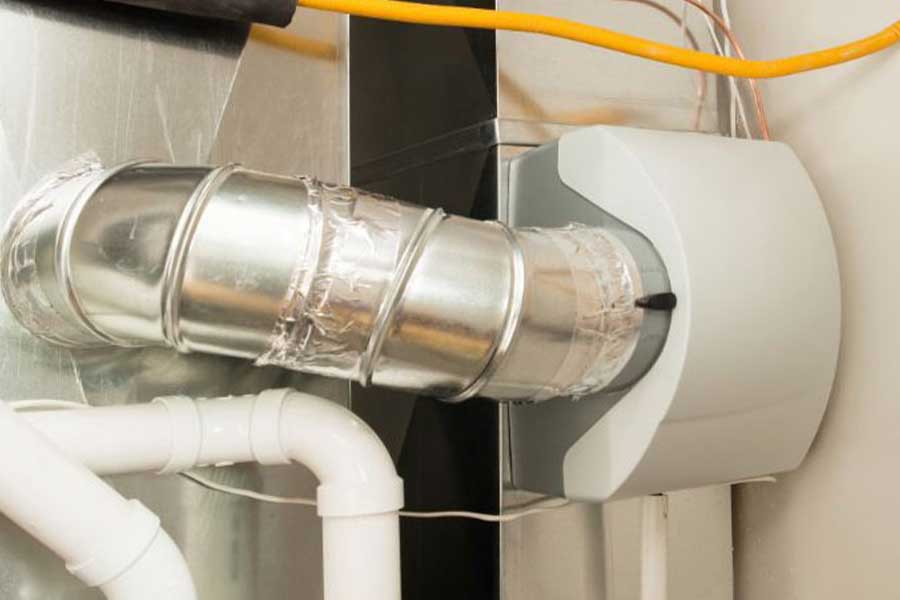
- Professional integration: The humidifier is connected to the furnace’s air handler and water supply, and the humidistat is configured to maintain target humidity levels automatically in coordination with the heating system’s operation
- Post-installation calibration: After installation, we verify that the system is producing and maintaining the intended humidity levels and make any adjustments needed for optimal performance
- Ongoing maintenance support: Whole-home humidifiers require annual maintenance, primarily cleaning the water panel or evaporator pad and inspecting the water supply connection and distribution. Our maintenance plans include this service as part of a comprehensive HVAC seasonal visit.
Staying Comfortable All Winter in Oakwood Hills
For Oakwood Hills homeowners, the combination of a whole-home humidifier and a well-maintained HVAC system provides comprehensive winter comfort that neither system can achieve on its own. The investment produces improvements in health, physical comfort, home preservation, and energy efficiency that are noticeable from the first heating season and that compound in value over the years the system is in service.
WeatherWise Heating & Cooling has served families throughout Oakwood Hills and the greater McHenry County area for decades. Our NATE-certified technicians bring the local expertise and technical knowledge needed to recommend and install the right humidifier solution for each home, and we stand behind every installation with a commitment to long-term performance and customer satisfaction.
When you’re ready to address dry winter air in your home, contact our team today to schedule a consultation and find the whole-home humidifier solution that’s right for your property.