

Replacing or installing a new air conditioning system is one of the more significant home investments a Crystal Lake homeowner will make, and the decisions made before installation have a lasting impact on comfort, energy costs, and system reliability. Getting the equipment selection, sizing, and installation approach right from the start pays dividends throughout the system’s life. This guide covers the five considerations that matter most before moving forward with an AC installation or replacement in the Crystal Lake area.
Choosing the Right AC Unit for Your Home
The range of air conditioning systems available today is broader than ever, and selecting the right one requires matching equipment capabilities to the specific characteristics of the home. There’s no single correct answer that applies to every property, which is why a thorough assessment before equipment selection is the right starting point.
The factors that most directly influence which system is appropriate for a given home include:
- Home size and layout: Square footage is the most visible factor in sizing, but ceiling heights, floor plan configuration, the number of exterior walls, and the ratio of windows to wall area all affect how much cooling capacity the home actually requires
- Existing ductwork condition: Homes with central forced-air systems already in place may be candidates for a direct central AC replacement, while a ductless mini split configuration may better serve homes without ductwork or with duct systems in poor condition
- System type trade-offs: Central air systems distribute conditioned air throughout the home via a shared duct network. In contrast, ductless systems offer zone-level control with independent indoor units for each space. Each approach has practical advantages depending on the home’s layout and the household’s priorities.
- Smart technology compatibility: Modern AC units increasingly support integration with smart thermostats and home automation systems. For homeowners who want remote access and adaptive scheduling, confirming compatibility before equipment selection ensures the full feature set is accessible after installation.
Working in homes across Crystal Lake, from the established neighborhoods near Three Oaks Recreation Area to newer construction along the Randall Road corridor, our technicians regularly find that the system a homeowner initially had in mind isn’t always the best fit once the home’s specific conditions are assessed. That pre-installation evaluation is where the right decision gets made.
Understanding Energy Efficiency Ratings
Energy efficiency ratings directly determine how much it costs to operate an air conditioning system over its service life. For a system that will run consistently through Crystal Lake’s summer season from late May through September, the difference between a standard-efficiency and a high-efficiency unit adds up to a meaningful dollar amount on the annual utility bill.
The primary rating to evaluate for central air systems is the SEER2 rating, which measures seasonal energy efficiency across a range of operating conditions rather than at a single peak-performance point. A higher SEER2 rating indicates lower energy consumption per unit of cooling output. Ductless mini-split systems use the same rating scale and generally achieve higher efficiency than comparably sized central systems.
Key points to understand when evaluating efficiency ratings:
- Long-term cost impact: A higher-efficiency unit typically carries a higher purchase price, but the reduction in monthly operating costs over a 15 to 20-year system lifespan generally offsets that premium and produces net savings
- Rebate eligibility: Many utility providers serving the greater McHenry County area offer rebates for installations that meet or exceed specific efficiency thresholds. Confirming eligibility before selecting equipment can meaningfully reduce the net installation cost.
- Environmental considerations: Higher-efficiency systems consume less electricity to deliver the same cooling output, which reduces both the household’s carbon footprint and its exposure to future energy price increases
- Consistent comfort performance: High-efficiency systems, particularly those with variable-speed compressors, modulate their output to match the home’s actual cooling load rather than cycling fully on and off. This produces more consistent indoor temperatures and better humidity control.
Assessing Installation Costs and Budget
A realistic budget for AC installation accounts for more than just the cost of the equipment. The total investment includes labor, any modifications needed to the existing duct system or electrical service, disposal of the old equipment, and any permits required by the local jurisdiction.
When evaluating quotes from HVAC contractors, the scope of what’s included in each proposal deserves careful attention:
- Equipment cost: The unit itself, including any matched components like the air handler or coil for a split system installation
- Labor: Installation complexity varies based on system type, the condition of existing infrastructure, and the difficulty of the installation location
- Duct modifications: If the existing duct system requires repair, resealing, or reconfiguration to work efficiently with the new system, those costs should be identified before the installation date
- Electrical work: Some higher-efficiency systems or new installations require dedicated circuits or electrical panel upgrades that add to the project cost
- Rebates and financing: Available incentives from utility providers or equipment manufacturers can offset a portion of the upfront investment. Financing options offered by the HVAC contractor can also spread the cost over time, without requiring the full amount at installation.
The lowest bid on a project doesn’t always represent the best value. A quote that includes proper load calculation, quality equipment, and thorough installation practices protects the investment more effectively than one that minimizes cost at the expense of those elements.
For homeowners evaluating their full range of options, AC installation and replacement services from a certified local provider ensure the project is scoped and priced accurately from the start.
Evaluating Local Climate Considerations
Crystal Lake’s climate places specific demands on residential cooling systems that differ from what homeowners in drier or milder regions need to account for. Summers along the Chain O’Lakes corridor bring sustained heat and humidity that push cooling systems to operate at or near capacity for extended periods, and the transition seasons introduce wide temperature swings that test system flexibility.
The climate factors most relevant to AC selection and sizing in Crystal Lake include:
- Summer heat and humidity: The combination of elevated temperatures and high relative humidity requires a system that effectively manages both. A unit that cools to the set temperature but doesn’t adequately remove moisture leaves a home that feels uncomfortable even though the thermostat target is reached.
- Extended shoulder seasons: Spring and fall in northern Illinois bring unpredictable temperature patterns. Systems with variable-speed or multi-stage compressors handle partial-load conditions more efficiently than single-stage units, which cycle on and off regardless of the actual demand.
- Winter cold impact on equipment: The outdoor condenser unit in a split system operates year-round and must be selected and positioned with freeze protection in mind. Proper installation practices for the Crystal Lake climate include considerations that wouldn’t apply in warmer regions.
- Air quality and pollen: McHenry County’s spring and summer pollen counts affect households with allergy sensitivities. Selecting a system with appropriate filtration and incorporating supplemental air-quality improvements as part of the installation project supports better indoor air quality throughout the cooling season.
Maintaining the system’s performance in Crystal Lake’s demanding climate requires consistent attention to AC maintenance, including seasonal filter replacement, coil cleaning, and refrigerant charge verification.
Planning for Maintenance and Warranty Coverage
The service life a homeowner actually gets from a new AC system depends significantly on the maintenance it receives and the warranty protection in place when something goes wrong. Both are worth planning for before the installation rather than addressing reactively.
Warranty coverage for residential AC systems typically comes in two forms:
- Equipment warranty: Covers defects in components themselves, usually for a defined period of 5 to 10 years, depending on the manufacturer and the specific equipment tier. Most equipment warranties require registration within a defined window after installation and specify that maintenance must be performed by a licensed professional to remain valid.
- Labor warranty: Covers the cost of labor to diagnose and repair a covered component failure. This is separate from the equipment warranty and varies by contractor
Beyond warranty terms, the maintenance practices established in the first years of a system’s operation have a lasting effect on its reliability and efficiency:
- Annual professional maintenance: A comprehensive pre-season inspection and tune-up confirms that refrigerant charge, electrical connections, coil condition, and mechanical components are all within specification before the system enters its heaviest operating period
- Filter replacement schedule: Consistent filter replacement on the schedule appropriate for the home’s dust and allergen levels keeps airflow unrestricted and protects the coil from particulate buildup
- Maintenance plan enrollment: Service agreements through a local HVAC provider typically include priority scheduling, discounted repair rates, and reminders that ensure annual maintenance doesn’t get deferred season after season.
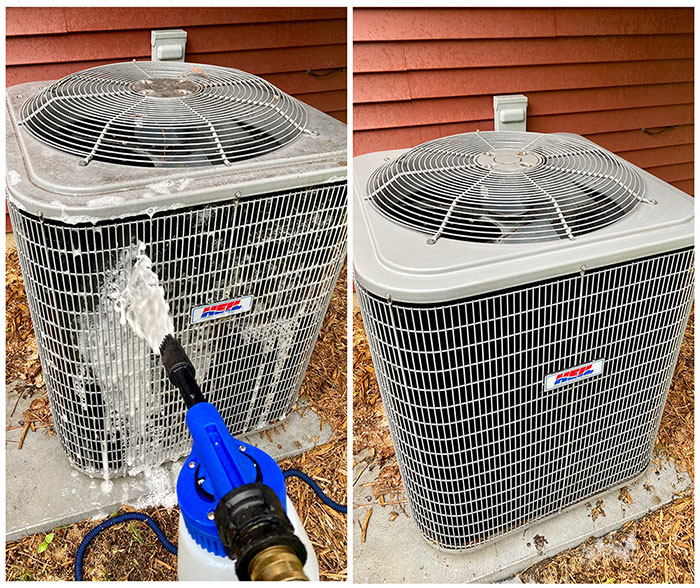
For homeowners who want to extend the value of their installation investment, pairing a new system with AC coil cleaning as part of routine maintenance keeps one of the system’s most critical components in optimal condition year over year.
Making the Right AC Investment in Crystal Lake
The decisions made before an AC installation or replacement in Crystal Lake determine how the system performs for the next 15 to 20 years. Proper equipment selection, accurate sizing, realistic budgeting, and a plan for ongoing maintenance are the factors that separate a system that delivers consistent comfort and reliable performance from one that struggles to meet expectations from the start.
WeatherWise Heating & Cooling has been serving homeowners throughout Crystal Lake and the greater McHenry County area for decades. Our NATE-certified technicians bring the hands-on local experience needed to assess each home’s specific conditions, recommend the right equipment, and complete installations to the standards that protect the investment over the long term.
When you’re ready to move forward with an installation or replacement, contact our team today to schedule a consultation and get a clear picture of the options available for your home.