

Imagine your neighbor, who neglected their heat pump maintenance, facing skyrocketing energy bills and frequent breakdowns. Regular upkeep can prevent these issues and guarantee your system runs efficiently for years. By adopting a few simple maintenance habits, you can enhance performance, save on energy costs, and prolong the life of your heat pump. Curious about the best practices to keep your system in top shape? Let’s explore some essential tips to guarantee your heat pump’s longevity.
Regular Filter Replacement and Cleaning
One of the simplest yet most effective ways to maintain your heat pump is to regularly replace and clean its filters.
Dirty filters restrict airflow, forcing your system to work harder and potentially leading to costly repairs. To keep your heat pump running efficiently, check the filters monthly and replace or clean them every 1-3 months, depending on usage and filter type.
You can easily remove and clean reusable filters with soap and water, while disposable filters should be replaced with new ones.
Make it a habit to mark your calendar for these tasks. Remember, a clean filter not only promotes better airflow but also improves your indoor air quality. Additionally, regular maintenance like high-quality heat pump services can help prevent future issues and ensure optimal performance.
Scheduled Professional Inspections
To keep your heat pump in top shape, scheduling regular professional inspections is essential.
These inspections allow trained technicians to identify potential issues before they escalate into costly repairs. They’ll check key components, ensuring everything runs smoothly and efficiently.
Typically, it’s best to have these inspections done at least once a year, ideally before the heating season kicks in.
During the visit, the technician will clean crucial parts, check refrigerant levels, and assess the overall system performance. This proactive approach not only extends the lifespan of your heat pump but also enhances its energy efficiency and can be complemented by maintenance plans available to ensure long-term heat pump performance.
Maintaining Clear Outdoor Units
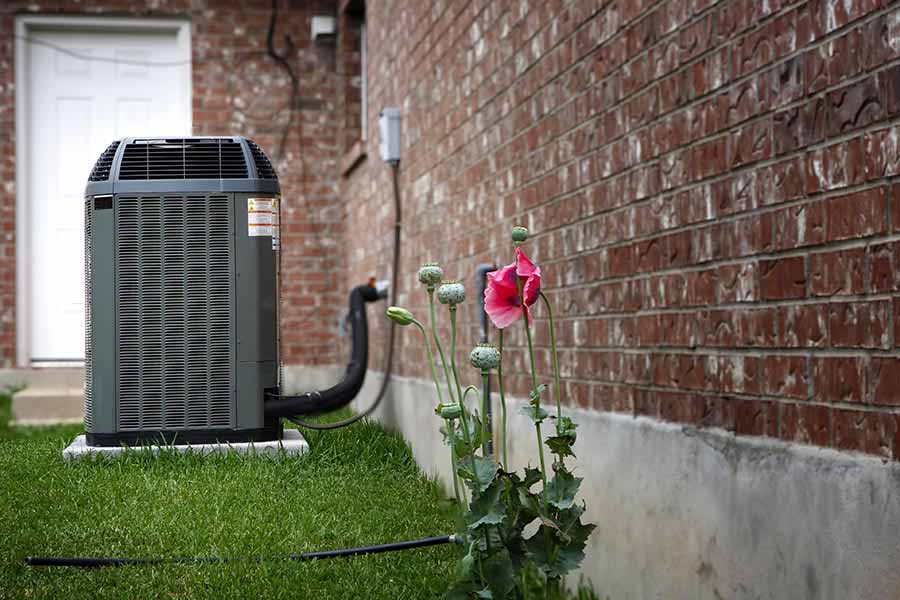
After scheduling those professional inspections, it’s equally important to maintain clear outdoor units for your heat pump.
Keep the area around the unit free of debris, leaves, and dirt. Regularly check for any obstructions that could hinder airflow, as blocked airflow can reduce efficiency and damage your system. Trim back any nearby plants or shrubs to create at least two feet of clearance around the unit.
In winter, clear away snow and ice to prevent buildup that can freeze components or block vents.
If you notice any unusual noises or vibrations, address them promptly, as they could signal an issue. Additionally, wash the exterior of the unit with a gentle spray to remove dust and grime, ensuring peak performance. Regular maintenance enhances efficiency and improves indoor air quality, contributing to a healthier home environment.
Checking and Sealing Ductwork
While you focus on keeping your heat pump running smoothly, don’t overlook the importance of checking and sealing your ductwork. Leaky ducts can lead to significant energy loss and reduced efficiency, making your system work harder than necessary.
Start by inspecting your ducts for any visible gaps, tears, or loose connections. Pay special attention to joints and corners, as these are common trouble spots.
Use mastic sealant or metal tape to seal any leaks you find. Avoid using regular tape, as it won’t hold up over time.
After sealing, consider insulating your ducts, especially those in unconditioned spaces like attics or crawl spaces. This helps maintain temperature and further improves efficiency. Additionally, addressing underlying problems can prevent future issues, saving time and money.
Regularly checking and sealing your ductwork not only boosts your heat pump’s performance but also enhances your home’s overall comfort. Make it a part of your seasonal maintenance routine for best results.
Monitoring Thermostat Settings and Performance
How often do you check your thermostat settings? Keeping an eye on them is vital for your heat pump’s efficiency.
Regularly reviewing your thermostat can help you adapt to seasonal changes, ensuring your system runs effectively. Set it to a comfortable temperature, and consider using programmable settings to save energy when you’re away.
Make sure your thermostat is functioning properly. A malfunctioning thermostat might lead to unnecessary energy consumption or uneven heating.
If you notice fluctuations in your home’s temperature, it might be time for a calibration or even a replacement.
Additionally, consider upgrading to a smart thermostat. These devices can learn your habits and adjust settings accordingly, enhancing efficiency.
By monitoring your thermostat settings, you not only improve your heat pump’s performance but also save on energy bills.
Don’t overlook this simple yet effective maintenance step!
Conclusion
By treating your heat pump like a well-tended garden, you’ll reap the rewards of efficiency and longevity. Just as you’d regularly water and prune your plants, replacing filters, scheduling inspections, and keeping outdoor units clear will nurture your system. Sealing ductwork is like fortifying the soil, ensuring nutrients flow freely. With careful monitoring, your thermostat becomes the sun, guiding peak performance. Embrace these maintenance tips, and watch your home bloom with comfort and energy savings for years to come.