
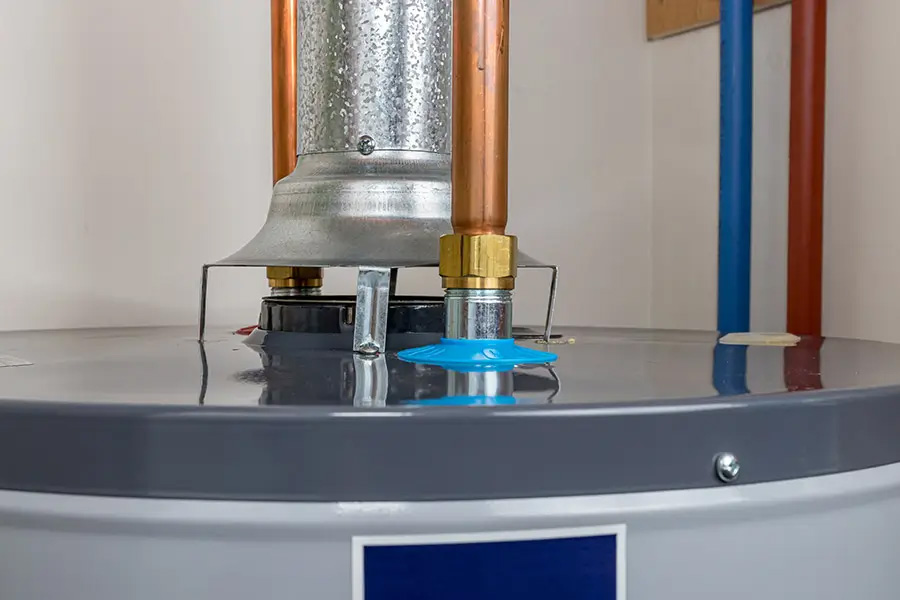
Imagine stepping into a shower, expecting a warm embrace, only to be met with a shock of cold. A broken water heater can disrupt your daily routine, but you don’t have to panic just yet. There are practical steps you can take to troubleshoot the issue before calling for help. Let’s explore how you can tackle this situation effectively and restore comfort to your home.
Check the Power Supply
Before diving into any repairs, it’s crucial to check the power supply to your water heater, as this is often the simplest issue to resolve.
First, verify that the unit is plugged in and the outlet is functioning. You can do this by plugging in another device to see if it works. If your water heater’s powered by gas, check the gas valve to make sure it’s open.
Next, inspect the circuit breaker or fuse box. A tripped breaker or blown fuse could cut off power to the heater. If you find a tripped breaker, reset it, but keep an eye on it; if it trips again, there’s a deeper issue that needs professional attention.
Finally, consider any recent power outages in your area that might’ve affected your heater. By following these steps, you can quickly eliminate power supply issues and move on to more complex troubleshooting if necessary. If problems persist, it may be time to consult a professional with over three decades of experience in water heater services for further assistance.
Inspect the Thermostat Settings
To guarantee your water heater operates efficiently, start by inspecting the thermostat settings.
Make sure the thermostat is set to the recommended temperature, usually around 120°F. If it’s set too low, you mightn’t get enough hot water, while a setting that’s too high could lead to scalding or wasted energy.
Next, check if the thermostat is functioning properly. If you notice inconsistent water temperatures or the water heater isn’t heating at all, the thermostat might be faulty.
You can test its accuracy with a separate thermometer.
If adjustments don’t resolve the issue, consider replacing the thermostat, especially if it’s older. Regular maintenance prevents unexpected breakdowns and ensures your water heater runs efficiently.
Always prioritize safety; if you’re unsure, don’t hesitate to call in a professional.
Examine the Circuit Breaker
When your water heater isn’t working, one of the first things to check is the circuit breaker. Sometimes, the breaker trips due to overload or a short circuit, cutting off power to your water heater.
Head to your electrical panel and locate the breaker labeled for the water heater. If it’s in the “off” position or tripped, flip it back to “on.”
After resetting, wait a few moments and see if your water heater kicks back on. If it trips again immediately, there might be a more serious electrical issue at play. In that case, it’s best to consult a licensed electrician to diagnose the problem safely.
Regularly checking the circuit breaker can help prevent future issues, ensuring your water heater operates smoothly when you need it most. Additionally, considering tankless water heaters could provide a more reliable hot water solution in the long run.
Staying on top of these simple checks can save you time and stress down the line.
Drain and Flush the Tank
Sometimes, sediment builds up at the bottom of your water heater tank, affecting its efficiency and lifespan. To fix this, start by turning off the power supply or gas to the heater.
Next, connect a garden hose to the drain valve at the bottom of the tank, and run the other end to a suitable drainage area. Open the valve, allowing the water to flow out. Be cautious, as the water may be hot.
After draining, it’s time to flush the tank. Close the drain valve, remove the hose, and turn on the cold water supply to the tank. Let it run for a few minutes to dislodge any remaining sediment.
Once done, close the cold water supply and reopen the drain valve briefly to clear out any debris. Finally, restore power or gas, and check the heater for proper operation. This simple maintenance can greatly improve your water heater’s performance. Regular maintenance and tankless water heater repair can also enhance your system’s efficiency and longevity.
Look for Leaks and Corrosion
When checking your water heater, start by inspecting the connections and pipes for any leaks or signs of wear.
Don’t forget to examine the tank surface, as corrosion can lead to bigger issues down the line.
Addressing these problems early can save you from costly repairs later.
Inspect Connections and Pipes
To guarantee your water heater operates efficiently, you should regularly inspect the connections and pipes for any signs of leaks or corrosion.
Start by checking the inlet and outlet pipes, making sure they’re tightly secured and free from moisture. Look for any rust or discoloration around the fittings, which can indicate corrosion.
Don’t forget to examine the valve connections as well; a small leak can escalate quickly if not addressed. If you spot any issues, it’s best to act fast—tightening fittings or replacing damaged pipes may be necessary.
Keeping an eye on these connections not only prolongs your water heater’s lifespan but also helps you avoid costly repairs down the line.
Stay proactive to guarantee continuous hot water flow!
Check Tank Surface
The tank surface of your water heater plays a crucial role in its overall performance and longevity. Regularly check for signs of leaks or corrosion, as these issues can lead to serious problems down the line.
Start by inspecting the tank for any rust spots or discoloration; these are often indicators of corrosion. If you notice water pooling around the base, it’s likely a leak that needs immediate attention.
Don’t forget to examine the fittings and connections as well, since these areas are prone to wear. If you find any significant damage, consider contacting a professional like WeatherWise Heating & Cooling for expert assistance.
Taking these steps can help extend the life of your water heater and maintain peak efficiency.
Test the Heating Elements
To test the heating elements, start by locating them within your water heater.
Once you find them, measure their resistance values using a multimeter to check for any faults.
This step is essential for determining if your heating elements are functioning properly.
Identify Element Location
Heating elements are essential components in your water heater, responsible for warming the water to your desired temperature.
To identify their location, first, check whether you have a tank or tankless water heater. For tank models, the heating elements are usually found at the top and bottom of the tank. Remove the access panels carefully to expose them.
If you have a tankless model, the elements are typically integrated within the unit, so you’ll need to consult your manual for specific locations.
Confirm the power is turned off before you start disassembling anything. Understanding where these elements are located helps you troubleshoot effectively and guarantees you can address any heating issues promptly.
Measure Resistance Values
Measuring resistance values is essential when testing the heating elements in your water heater. To guarantee your safety, turn off the unit’s power.
Use a multimeter set to the ohms setting to check the resistance of each heating element. Disconnect the wires from the terminals and place the multimeter probes on the terminals. A functioning element should typically show a resistance between 10 to 30 ohms. If you get a reading of zero or infinity, it indicates a faulty element that needs replacement.
After testing, reconnect the wires and turn the power back on. Regularly measuring resistance values can help prevent future issues and guarantee your water heater operates efficiently.
Call a Professional for Repairs
When your water heater starts acting up, it’s crucial to recognize the limits of DIY fixes. While you can try some basic troubleshooting, certain issues require professional expertise.
Here’s when you should call in the pros:
- Persistent leaks: If water continues to leak after your attempts to fix it, don’t delay.
- Strange noises: Banging or popping sounds often indicate sediment buildup or other serious problems.
- Inconsistent water temperature: If you can’t get a steady stream of hot water, it’s time to consult an expert.
- Age concerns: Water heaters over 10 years old may need more than just a repair.
- Safety issues: Gas leaks or electrical problems are dangerous and require immediate professional attention.
Choosing a qualified technician, like those from WeatherWise Heating & Cooling, guarantees reliable service and peace of mind.
Don’t risk further damage—get professional help when you need it!

Conclusion
In the grand scheme of home maintenance, a broken water heater can feel like an unwelcome guest. By following these practical tips, you can gently usher it back to good health, ensuring warm showers and cozy baths return to your routine. If you find yourself still wrestling with persistent issues, don’t hesitate to call in the experts. Sometimes, it’s best to let the professionals handle what’s beyond our reach, bringing peace of mind—and hot water—back to your home.